
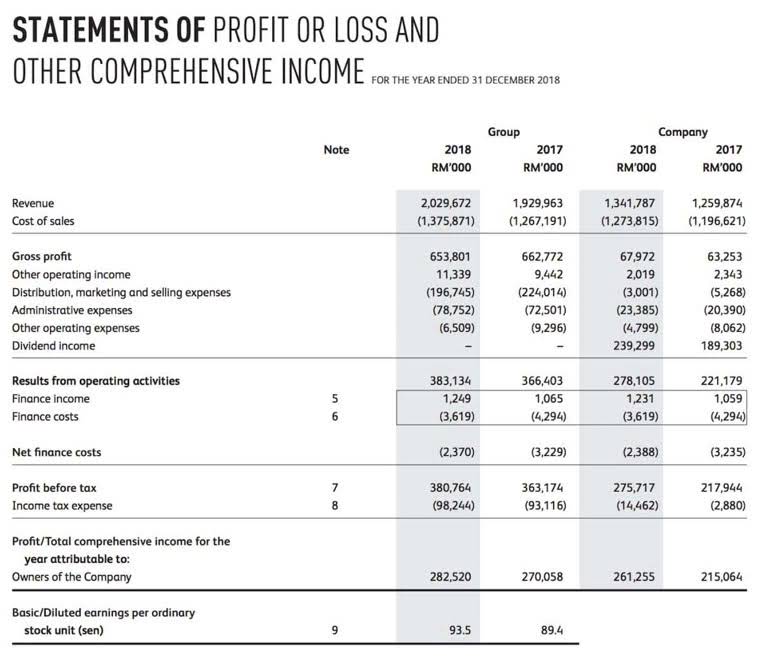
For example, imagine a furniture company that sells $100,000 worth of products in a month but offers 90-day payment terms to its customers. On paper, the business appears profitable, but in reality, it won’t receive cash inflow vs outflow the cash for three months. Meanwhile, the company still needs to pay rent, employee salaries, supplier costs, and operational expenses. Without proper cash flow planning, the business could struggle to stay afloat, even though it has technically made a profit.
Example 2: Freelance Graphic Designer Struggling with Delayed Payments

This indicates that the business is generating more funds than it is spending, which allows it to pay bills, invest in growth, and build reserves. Each time that you make a sale, gain profit on an investment, or positive interest on financial activity, you can document it in your financial statement. Likewise, you may keep a balance sheet statement with all of your cash outflows documented.
The Relationship Between Cash Inflow and Outflow

Updating these forecasts regularly is pertinent to avoid missed opportunities or potential cash shortfalls. A major advantage of forecasting is that it prepares businesses for challenging periods, ensuring they remain resilient in the face of uncertainties. Monitor your cash inflow and outflow and you canascertain how much cash you need to stay in business, along with how much cashyou have leftover to invest back into your business. Whether you’re a self-employed freelancer or contractor, or asmall business owner, understanding your cash inflow is vital to managing yourbusiness finances. When you bear in mind that cash movement doesn’t happen in isolation in your business, it becomes easier to identify the leading factors that need to be tracked. For many business owners, there is a recurrence of purchases and sales, inventory, receivables, and payables.
Tips for Small Businesses and Startups to Manage Cash Flow Effectively
Purchases and sales of property, plant, and equipment (PP&E) assets are unique. The purchase of long-term or fixed assets is shown as a cash outflow on the cash flow statement, while depreciation of those assets appears on the income statement and balance sheet. When you sell the asset, it is recorded as a cash inflow on the cash flow statement, and PP&E on the balance sheet is reduced because you no longer have the normal balance asset. Companies usually incur three types of outflows – operating activities, investing activities, and financial activities.
- However, we know that this is not true in the real world, so we will discuss the analysis of cash flow statement and learn how to understand the information on cash flow statement.
- Sending out invoices promptly and creating multiple payment avenues for customers can remove payment obstacles blocking the cash inflows and simplify the billing procedures.
- Analyzing the inflow and outflow of cash is essential for keeping your business financially healthy.
- Provides transparent and secure financial transactions, providing an immutable record of cash flow activities.
- Conversely, cash outflow represents the funds leaving your business, including expenses like purchasing supplies and paying wages.
- Successful companies add benefits to their offering that not only satisfy customers, but also surprise and delight them.
- Cash inflow and outflow are two fundamental concepts that track this movement.
Let’s get into how cash inflows and outflows work in real business scenarios to understand their practical uses better. Enerpize provides real-time cash flow analysis, enabling businesses to forecast future cash requirements. This helps in maintaining sufficient liquidity and avoiding cash shortages or overdrafts. Free Cash Flow (FCF) is the cash a company generates after subtracting capital expenditures (CapEx) from its operating cash flow.
Spend Analytics: How Smart Data Cuts Costs Faster in 2026
Offering discounts or benefits for customers who pay invoices early encourages faster cash inflow and improves liquidity. Ultimately, effective cash outflow management requires constant vigilance, planning, and discipline to ensure expenses do not outpace revenues. Poor invoicing practices, lack of follow-up on overdue accounts, and inadequate credit policies can exacerbate cash inflow issues. Managing cash inflow effectively is critical but not without its challenges. Many businesses, especially small and medium-sized ones, struggle to maintain steady and predictable inflows of cash.
Facilitating Debt Management
(ii) When a contract is accounted for as a hedge of an identifiable position, the cash flows of the contract are classified in the same manner as the cash flow of the position being hedged. Businesses can fail even when they’re profitable if they mishandle their cash flow. My experience with business owners over the last several years has shown me several financial mistakes that often spell trouble. Capital expenditures, business acquisitions, and security purchases create investing outflows. Apple’s investing outflows included purchases of marketable securities (USD 29.52 billion) and property/equipment acquisitions (USD 10.96 billion). If you’re looking for a simple and easy accounting and bookkeeping solution that’s customer-built for small businesses, start your free Neat trial today.
Strategies for Effective Cash Flow Management

If nothing changes, the company will eventually run out of money and go bankrupt. A firm engages in financing activities when it obtains resources from owners, returns resources to owners, borrows resources from creditors and repays amounts borrowed. Cash inflows include proceeds from issue of shares and short term and long term borrowings. Understanding and managing cash flow is the difference between business success and failure, with 80% of small businesses failing Retained Earnings on Balance Sheet due to poor cash flow management. You can have a positive net cash flow not because you made a lot of sales, but because you’ve recently taken out a large loan.
Operating cash flow is calculated by subtracting an organization’s operating expenses from its sales that were generated from operations over a period of time. After all your expenses such as packaging, shipping, and costs of materials, are taken out, what remains is the operating cash flow for that period. This includes payments for expenses such as rent, taxes, salaries, supplies, and inventory. Keeping track of and understanding outflows helps you stay on top of spending so you can create budgets and find ways to reduce expenses if needed. It’s a good practice to regularly review expenses and quarterly budgeting will let you identify wasteful spending before it becomes an issue. In this article, we’ll talk about the difference between cash inflow and outflow and tips to help manage them to maintain positive overall financial health.
Cash inflow and outflow examples from daily operations
A leveraged buyout (LBO) is a transaction in which a company or business is acquired using a significant amount of borrowed money (leverage) to meet the cost of acquisition. Optimal treasury management will be required to avoid business failures in this regard. Cash flow is best described as the sum of the income flowing into and out of business. Cash flow is not the same as working capital or gross/net profit, and the distinction needs to be made. There are no prepayment penalties, so you can pay off your loan early and save on interest.
Comments are closed